


A Carbon-Neutral Future Awaits
At Honda, we have always been committed to preserving the environment for future generations. We continue to innovate our way toward a 100% zero-tailpipe-emission car lineup in North America by 2040.
Investments That Move Us Forward
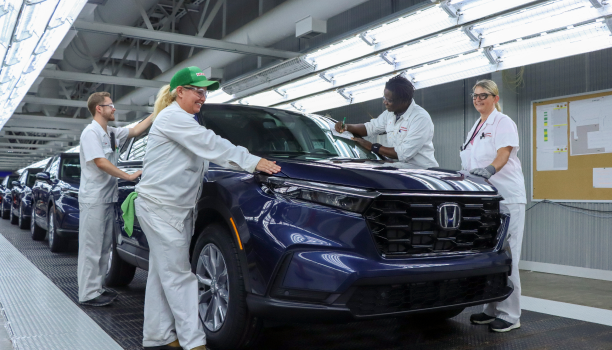
Our path to all-electric, zero-tailpipe-emissions cars begins by building hybrids close to home. That’s why we’ve invested nearly $1.4 billion in upgrading our award-winning manufacturing plants in Alliston, Ontario. This allows us to introduce new technology, train talented people, and retool the manufacturing systems that will facilitate hybrid output and help us transition to large-scale EV production.
An Environmentally-Conscious
History in the Making
Since opening its doors in Canada, Honda has always seen engineering through an environmentally-conscious lens, pushing the limits of what's possible while keeping the well-being of future generations in mind.
“LEED®-ing” by Example
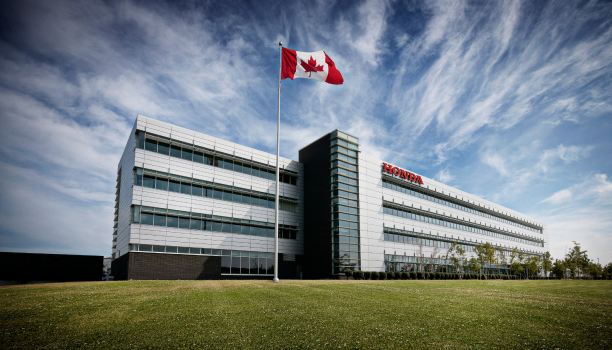
Completed in 2010, Honda Canada’s Markham head office received LEED® Canada -Gold green-building certification. Locally sourced materials were used where possible and 75 percent of total construction materials were diverted from landfills. With the building’s energy-saving features, 33 percent less energy is used than traditional office buildings of the same size.
An Electrifying Investment
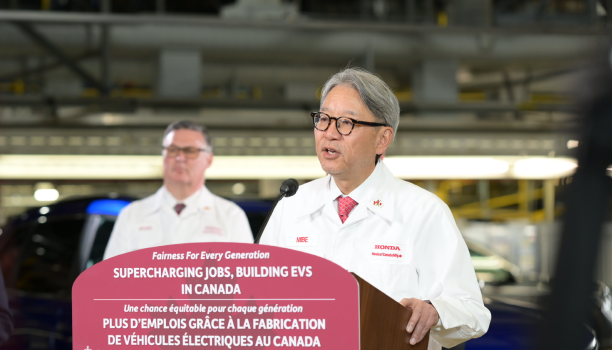
We are enhancing our electric vehicle (EV) supply system to prepare for the expected increase in EV demand in North America. To support our global goal of having battery electric vehicles (BEVs) and fuel cell electric vehicles (FCEVs) make up 100% of our sales by 2040, we will invest approximately CAD$15 billion, including funds from joint venture partners, to develop a robust EV value chain in Canada. This investment complements our Honda EV Hub project in Ohio and is a crucial part of our broader value chain strategy in North America.
Developing Alternative Energy Sources
Through extensive research and development, Honda is consistently pushing to find better alternatives to fossil fuels.
A Powerful Partnership
As we continue our quest to further reduce greenhouse gas emissions, we’re happy to announce that through our partnership with LG Energy Solution, we’re building a multi-billion-dollar lithium-ion battery manufacturing facility in Ohio that will supply Honda auto plants with all the battery power they need for EV manufacturing in North America.

Harnessing the Power of CO2
We are developing technologies to capture CO2 from the atmosphere and convert it into carbon-neutral fuels. For instance, our Honda DREAMO system creates microalgae that can capture CO2 and transform it into food, biofuel, or a bioplastic.
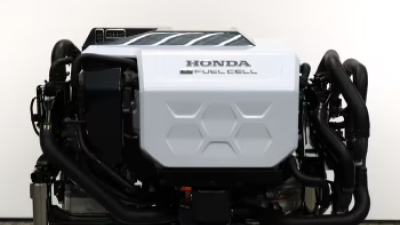
Exploring Hydrogen Solutions
Working toward the realization of a carbon-neutral society, we continue to expand the possibilities of hydrogen energy by developing fuel cell systems for various applications. This includes marina products, commercial trucks, stationary backup power, and circulative renewable energy technologies for space.
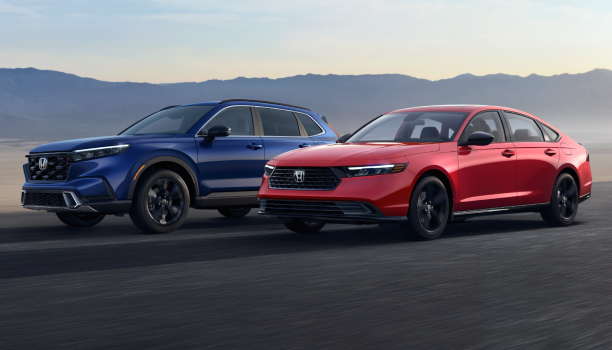
Electric Vehicle Transition
The transition to full EVs is on the horizon. In the meantime, Honda is focused on trying to reduce harmful greenhouse gas emissions today by introducing hybrid trims for Civic, Accord, and CR-V models. All while simultaneously beginning to transition to fully-electric vehicles, beginning with the Honda Prologue, a Honda EV that promises zero tailpipe emissions and endless adventures.
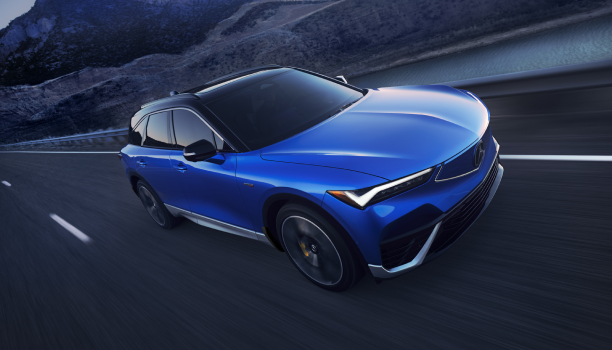
Acura’s Ascension to Electrification
The electric revolution has begun. With the all-electric ZDX and ZDX Type STM, launched in 2024, and the Performance EV Concept car that’s proving that premium performance can be electrified, Acura is pushing the limits of what’s possible and setting a new standard of excellence for electric vehicles.
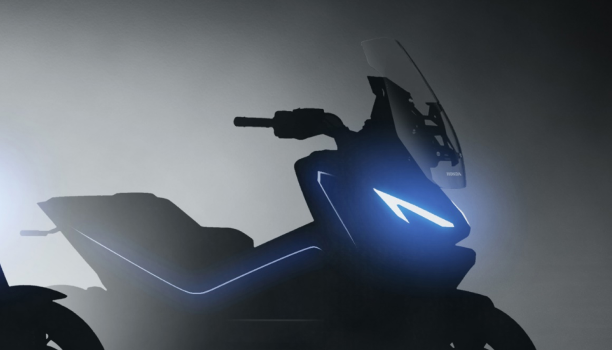
The Electric Motorcycle Revolution
To give customers more environmentally-conscious choices, we’re accelerating the electrification of our motorcycles and introducing 30 new models globally by 2030 – with annual sales projections of 1 million units by 2027 and 4 million units by 2030.

Blue Skies For Our Children
We want Blue Skies for Our Children. It’s our vision that future generations experience the joy and freedom of mobility while living in an environmentally-conscious society – a vision that drives us to strive to reduce our environmental impact with Honda’s wide breadth of green initiatives.

Making a Splash
Cleaner & quieter on the water. Since 1964, Honda has built only four-stroke outboard motors, which are up to 90% cleaner and 50% more fuel-efficient than two-stroke engines.

Pulling Ahead
A new era in efficient engines. Our CVCC engine, launched in 1974, allowed us to meet strict emissions standards without the use of a catalytic converter.

Zero to Hero
Minimizing manufacturing impact. Our Alliston, Ontario manufacturing facility has aimed to achieve zero waste-to-landfill targets since 2007.
Pole Position
Setting the pace for the climate. Honda Canada and the Honda Canada Foundation have donated more than $2 million to organizations that focus on conservation.
Green Dealers
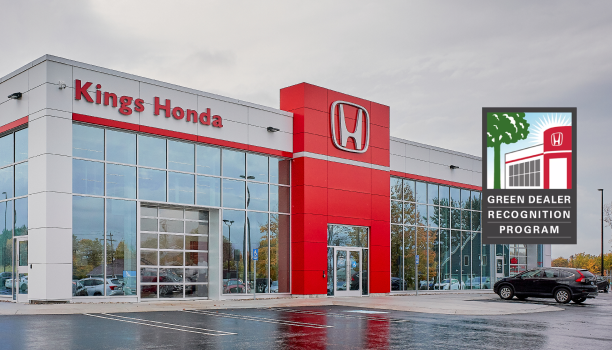
Driven by a desire to support our dealerships in their efforts to be more environmentally conscious, Honda is proud to stand behind the Honda Canada Green Dealer Recognition Program. It’s another important step on the road to Blue Skies for Our Children.
Paving the Way
Honda is committed to reducing our environmental impact to deliver on our vision of Blue Skies for Our Children. We strive to stay at the forefront of environmentally-conscious technologies and initiatives in our vehicles, our offices and our communities.
Environmentally Engineered
Our global Triple Action to Zero approach is critical to our effort to have zero environmental impact. The concept is simple: by using clean energy, along with reusing and recycling all of the materials in a product we make, we will no longer have to dig holes in the ground for finite materials and energy sources or bury spent materials in a hole in the ground at the end of their usable life.
Precision Crafted Footprint
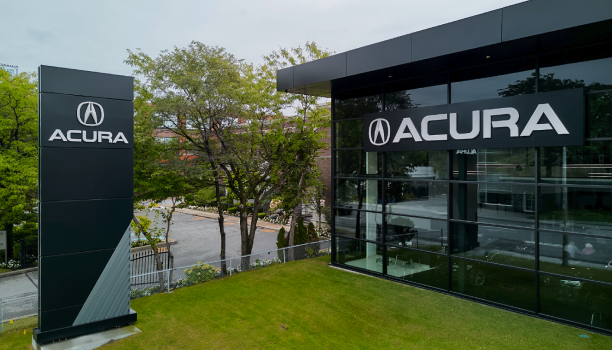
Discover how Acura leverages environmentally efficient technologies to enhance performance, both on the road and in dealerships.

At our Canadian headquarters, we seek to optimize daylight and outdoor views for our employees.

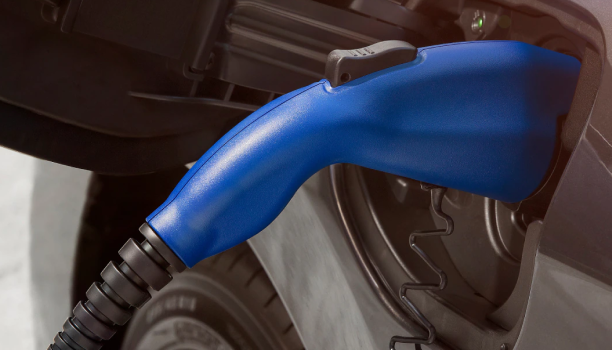
Plug in at one of our 40 charging stations located at Honda office facilities across Canada.

Over 2,700 perennials are part of our landscaping plan which contributes to our sustainability efforts.

Our in-floor heating system is just one facet of the technology we’re using to help reduce our environmental impact.

We encourage our associates to help limit Honda’s carbon footprint by carpooling.
Evolving the Office
When building our new headquarters in Markham, our goal was to make it the most environmentally-conscious building in the automotive industry. With LEED® Gold Certification criteria as our compass, design decisions were made with the environment in mind.
Features like a heat-reflective roof to help us stay cool, bioswales for natural filtration that help keep waste out of the sewer system, and irrigation techniques that collect rain to water the grounds help reduce our environmental impact.
Smaller Carbon Footprint
Honda’s office uses up to 33% less energy than typical office buildings its size.
Serious Recycling
Nearly all our office waste is diverted from landfills.
Wiser Waters
Honda’s green initiatives deliver 89% less water use than typical, same-sized offices.
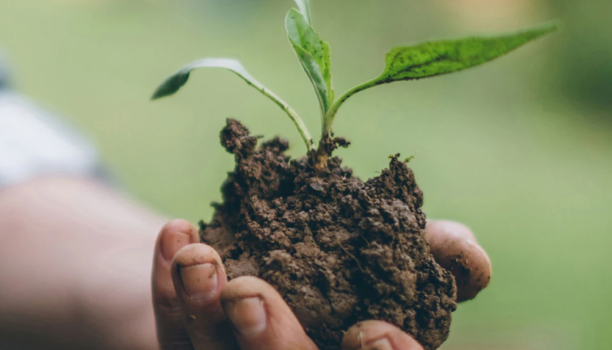
An Environmentally-Conscious Future
Honda and the Honda Canada Foundation are committed to supporting an environmentally-conscious future through technology and programs designed to help reduce our environmental impact. Discover all the ways Honda Canada Foundation and our associates help communities across Canada with environmental initiatives.