


Playing It Safe
We believe a collision-free society is closer than it appears. Our Vision Zero at Honda means Safety for Everyone – not just for drivers and motorcyclists, but also passengers, pedestrians and anyone else who shares the road. See what we’re doing to create a safer world.
Safer streets.
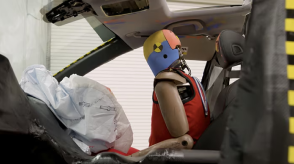
Our Safety Philosophy
Learn about Honda’s Safety Philosophy, and how car safety goes beyond yourself – it’s about your family, friends and loved ones.
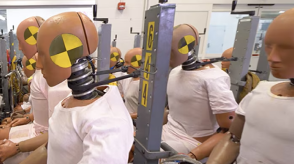
Smarter Dummies
Explore the crash safety lab and the extensive tests we do that help us understand and minimize crash damage.
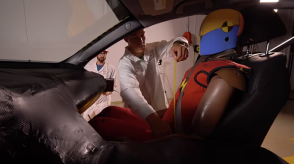
Buckle Up
Take a peek at how much care and attention to detail goes into every aspect of our safety restraint system.
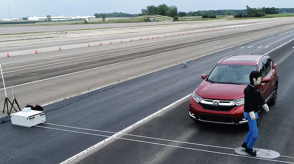
Being Proactive
Learn what Active Safety is and how this technology is our first line of defense.

Accidents Affect Everyone
When safety falls short, the result impacts us all. There’s good news though: in a 2022 census, the number of fatalities, serious injuries and total injuries in Canada were among the lowest counts since the 1970’s. We like to think we’ve played a big part in that, but there’s still a long road ahead.
sourceSafer Roads
We want Safety for Everyone, no matter the size or price of your vehicle. See how we’re helping Canadians stay safe, while enjoying the freedom of mobility.

Nearly Real Testing
Avoiding collisions.
Honda opened the world’s first indoor, vehicle-to-vehicle, multi-directional crash-test facility in 2000 to learn about real-world crash configurations.

Gold Standard
Safety on two wheels.
We added airbags to the Gold Wing motorcycle in 2006 – an industry first.

Top Marks
Our efforts get noticed.
Honda vehicles are frequently recognized as Top Safety Picks by the U.S. Insurance Institute for Highway Safety.
On Guard
Active Safety features help prevent or reduce the severity of collisions. With driver-assistive Honda Sensing™ and AcuraWatch™ technologies, we’re working toward a collision-free world.

Collision Mitigation Braking System™* (CMBS®)

Blind Spot Information* (BSI) System
Equipped with Side Blind Zone Alert* and the new Lane Change Alert*, the BSI* system is designed to monitor the rear and sides to help detect vehicles in the alert zone of adjacent lanes. Further, to help alert you when a potential collision is detected with a moving vehicle in the adjacent lane, the new and available Lane Change Collision Mitigation* is engineered to apply gentle steering assistance.
U.S. model shown.
Cross Traffic Monitoring*
The Rear Cross Traffic Monitor* (CTM) and the available Front Cross Traffic Warning* (FCTW), an Acura-first, are designed to detect vehicles approaching from either side while in reverse and going forward, respectively. When a potential collision risk is identified, the system not only provides visual and audible warnings, but also takes proactive measures by automatically applying brake pressure when necessary.
U.S. model shown.


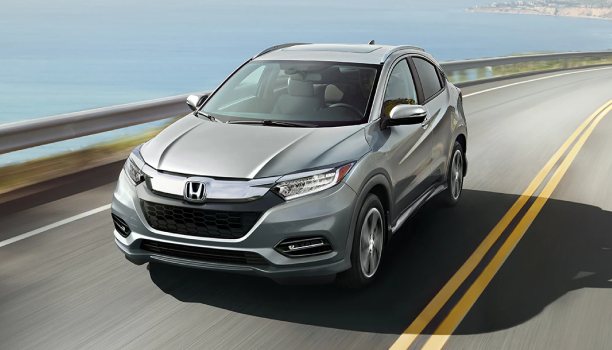
A Softer Landing
We understand that some accidents are difficult to avoid. That’s why we include Passive Safety features in every Honda we build, to help minimize injury when the worst happens. See for yourself how they work.
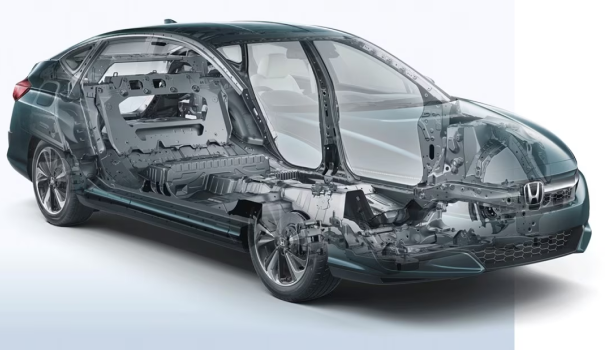
Advanced Compatibility Engineering™
Recognizing some collisions still happen, we designed a body structure that is engineered to absorb and distribute energy to help reduce the severity of frontal impacts.
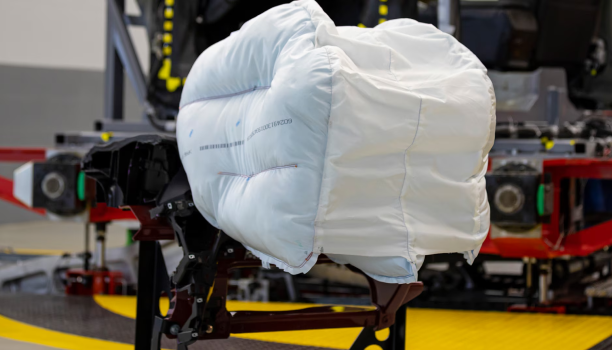
Advanced Airbag Technology
Front airbags come standard in every Honda, and side curtain and front knee airbags up the protection factor. We're also excited to introduce our newest airbag design. Our airbags mainly consist of three separately inflated compartments for careful control over air pressure during impact. The airbag compartments are connected by a snail panel, resulting in an effect similar to a catcher's mitt to cradle the occupant's head. While most airbags are V-shaped, ours are inverted in order to envelop the body and ease tension on the neck.

Smarter Seat Belts
Equipped with pretensions and load limiters, our front seat belts are designed to retract when strong frontal impact occurs and loosen slightly if the load is too great, helping reduce pressure on the occupant.